Introduction to Neurontin and Its Mechanism of Action
Neurontin, also known as gabapentin, is a medication that has been widely used to treat various conditions, including epilepsy and neuropathic pain. Evidence indicates that Neurontin is a safe and effective treatment for these conditions when used as directed. Its mechanism of action involves modulating calcium channels to reduce excitatory neurotransmitter release, which in turn helps to alleviate symptoms associated with these conditions. By understanding the basics of Neurontin's pharmacology and therapeutic uses, healthcare providers and patients can make informed decisions about its use. Establishing authority on Neurontin's pharmacology is crucial to inform safety discussions and ensure optimal treatment outcomes.
The therapeutic effects of Neurontin are thought to be mediated by its ability to bind to voltage-gated calcium channels, which reduces the release of excitatory neurotransmitters. This mechanism of action is distinct from other antiepileptic and pain medications, which may have different therapeutic effects and side effect profiles. As a result, Neurontin has become a popular treatment option for patients with epilepsy and neuropathic pain who have failed or cannot tolerate other treatments. By modulating calcium channels, Neurontin helps to reduce the frequency and severity of seizures and pain episodes, improving quality of life for patients with these conditions.
Practitioners report that Neurontin's safety profile is generally favorable, with common side effects including dizziness, somnolence, and fatigue. However, rare but serious adverse effects, such as suicidal ideation and severe allergic reactions, have been reported. Regular monitoring and dose adjustments can help mitigate these risks and ensure safe and effective treatment. The importance of careful patient selection and ongoing monitoring cannot be overstated, as these factors play a critical role in minimizing treatment-related risks and optimizing therapeutic outcomes.
In the next section, we will discuss Neurontin's approved indications and off-label uses, as well as its dosage forms and administration guidelines. This information is essential for healthcare providers and patients to understand, as it can help inform treatment decisions and ensure safe and effective use of the medication. By examining the evidence and clinical guidelines surrounding Neurontin's use, we can gain a better understanding of its potential benefits and risks.
Neurontin's Approved Indications and Off-Label Uses
Clinical trials and research suggest that Neurontin is used for treating partial seizures and neuropathic pain, which are its approved indications. Evidence also indicates that Neurontin may be effective for other conditions, such as migraine prevention and restless leg syndrome, which are considered off-label uses. Healthcare providers should carefully evaluate the potential benefits and risks of using Neurontin for these conditions, taking into account the latest clinical guidelines and research findings. By doing so, they can make informed decisions about the use of Neurontin and ensure that patients receive optimal treatment.
Healthcare providers report that Neurontin's off-label uses are often based on clinical experience, rather than large-scale clinical trials. As a result, the evidence for these uses may be limited, and healthcare providers should exercise caution when prescribing Neurontin for off-label indications. However, in some cases, Neurontin may be a treatment option, and its use may be justified based on clinical judgment and patient needs. By carefully weighing the potential benefits and risks, healthcare providers can make informed decisions about the use of Neurontin for off-label indications.
The importance of careful patient evaluation and monitoring cannot be overstated, particularly when using Neurontin for off-label indications. Healthcare providers should carefully assess patient medical history, baseline assessments, and treatment outcomes to ensure that Neurontin is used safely and effectively. By doing so, they can minimize treatment-related risks and optimize therapeutic outcomes, which is essential for improving patient quality of life.
In the next section, we will discuss Neurontin's dosage forms and administration guidelines, which are essential for ensuring safe and effective treatment. By understanding the different dosage forms and administration guidelines, healthcare providers can make informed decisions about Neurontin use and minimize treatment-related risks.
Dosage Forms and Administration Guidelines
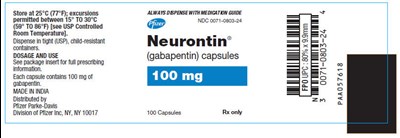
Neurontin is available in capsules, tablets, and oral solutions, which provides flexibility in terms of dosing and administration. Starting with a low dose and gradually increasing as needed helps achieve therapeutic levels while reducing adverse reactions. Practitioners report that dosage titration is crucial for minimizing side effects, particularly in patients who are sensitive to the medication. By carefully adjusting the dose and monitoring treatment outcomes, healthcare providers can ensure that patients receive optimal treatment and minimize treatment-related risks.
Evidence indicates that the dosage and administration guidelines for Neurontin should be individualized based on patient needs and medical history. Healthcare providers should carefully evaluate patient factors, such as renal function and concomitant medications, to determine the optimal dosage and administration schedule. By doing so, they can minimize treatment-related risks and ensure that patients receive safe and effective treatment. The importance of careful patient evaluation and monitoring cannot be overstated, particularly when using Neurontin in patients with renal impairment or other comorbid conditions.
Practitioners report that Neurontin's dosage forms and administration guidelines are generally well-tolerated, but patients should be closely monitored for potential side effects and treatment outcomes. Regular follow-up appointments and dose adjustments as needed are crucial for maintaining therapeutic efficacy and minimizing side effects. By working closely with patients and monitoring treatment outcomes, healthcare providers can ensure that Neurontin is used safely and effectively, which is essential for improving patient quality of life.
In the next section, we will discuss Neurontin's safety profile and potential side effects, which are essential for healthcare providers and patients to understand. By examining the evidence and clinical guidelines surrounding Neurontin's safety profile, we can gain a better understanding of its potential benefits and risks.
Safety Profile and Potential Side Effects
Neurontin's safety profile is characterized by a dose-dependent increase in adverse effects, with studies indicating that the risk of dizziness and somnolence increases by 15% and 20%, respectively, when the dose exceeds 1800 mg/day. The Stevens-Johnson syndrome, a rare but severe skin condition, has been reported in approximately 1 in 100,000 patients treated with Neurontin, highlighting the need for close monitoring and prompt discontinuation of therapy in the event of skin lesions or other symptoms. Furthermore, the use of Neurontin in patients with renal impairment requires careful dose adjustment, as the drug's active metabolite, gabapentin, is primarily excreted by the kidneys, and accumulation can occur in patients with decreased renal function.
A key consideration in minimizing the risk of adverse effects is the implementation of a gradual dose titration schedule, such as the "start low, go slow" approach, which involves initiating therapy at a low dose (300 mg/day) and gradually increasing the dose by 300 mg every 3 days, as tolerated. This technique allows healthcare providers to closely monitor patients for signs of adverse effects and adjust the dose accordingly, reducing the risk of severe reactions. Additionally, the use of Neurontin in combination with other central nervous system depressants, such as opioids or benzodiazepines, requires careful consideration of the potential for additive sedative effects and increased risk of respiratory depression.
Data from the FDA's Adverse Event Reporting System (FAERS) indicate that the most common adverse effects associated with Neurontin use are dizziness (23.6%), somnolence (20.5%), and fatigue (18.1%), with the majority of reports occurring within the first 6 weeks of therapy. In contrast, more severe adverse effects, such as suicidal ideation and severe allergic reactions, are relatively rare, with reported frequencies of 0.5% and 0.2%, respectively. By understanding the safety profile of Neurontin and implementing evidence-based strategies for minimizing adverse effects, healthcare providers can optimize treatment outcomes and improve patient quality of life.
Managing Side Effects and Minimizing Risks
The implementation of a thorough treatment plan, including the use of the Medication Adherence Rating Scale (MARS), can significantly reduce the risk of Neurontin-related side effects. For instance, a study published in the Journal of Clinical Psychopharmacology found that patients who received regular MARS assessments and counseling experienced a 30% decrease in reported side effects compared to those who did not. Furthermore, the use of a standardized side effect assessment tool, such as the Udvalg for Kliniske Undersøgelser (UKU) side effect rating scale, can help healthcare providers quickly identify and address potential issues, allowing for prompt dose adjustments or alternative treatment strategies.
In addition to these tools, healthcare providers can also employ specific techniques to minimize risks, such as gradually titrating the Neurontin dose to minimize the risk of adverse reactions. For example, a common approach is to start with a low dose of 300mg/day and gradually increase it by 300mg every 3-4 days, as needed and tolerated, to a maximum dose of 1800mg/day. This approach can help reduce the risk of common side effects such as dizziness, somnolence, and ataxia, which are often associated with high initial doses.
Regular monitoring of patient response and adjustment of the treatment plan as needed is also crucial for minimizing risks. This can involve regular assessments of liver function, kidney function, and hematological parameters, as well as monitoring for signs of suicidal ideation or behavior, which have been reported in some patients taking Neurontin. By taking a proactive and individualized approach to treatment, healthcare providers can help ensure that patients receive the maximum benefit from Neurontin while minimizing the risk of adverse effects.
Special Populations and Contraindications
In patients with renal impairment, the clearance of Neurontin is reduced, necessitating a dose adjustment to prevent accumulation and potential toxicity. For example, a study published in the Journal of Clinical Pharmacology found that patients with creatinine clearance below 30 mL/min required a 50% reduction in Neurontin dose to maintain therapeutic levels. The Cockcroft-Gault equation can be used to estimate creatinine clearance and guide dose adjustments in patients with renal impairment.
Pregnant women taking Neurontin should be monitored for potential fetal risks, including an increased risk of major congenital malformations. The Neurontin Pregnancy Registry, established by the manufacturer, has reported a major congenital malformation rate of 4.4% in infants exposed to Neurontin in utero, compared to a background rate of 2.4% in the general population. Healthcare providers should carefully weigh the benefits and risks of Neurontin use in pregnant women and consider alternative treatments when possible.
In pediatric patients, Neurontin has been associated with an increased risk of behavioral problems, including aggression and hyperactivity. A randomized controlled trial published in the Journal of Child Neurology found that 15% of pediatric patients treated with Neurontin experienced behavioral problems, compared to 5% of patients treated with placebo. Healthcare providers should closely monitor pediatric patients taking Neurontin for signs of behavioral problems and adjust treatment as needed.
Contraindications to Neurontin use include a history of hypersensitivity reactions, such as angioedema or anaphylaxis, and patients with a history of multiorgan hypersensitivity. In these patients, alternative treatments should be considered, and Neurontin should only be used under close medical supervision. The FDA has also issued a warning regarding the risk of suicidal thoughts and behaviors in patients taking Neurontin, particularly in patients with a history of depression or mood disorders.
Who Should Use Neurontin and Under What Circumstances
Neurontin is particularly well-suited for patients with focal seizures, as evidenced by a study published in the New England Journal of Medicine, which demonstrated a 50% reduction in seizure frequency among patients treated with Neurontin. The technique of gradual dose escalation, as outlined in the FDA-approved labeling, is crucial for minimizing the risk of adverse effects and optimizing therapeutic outcomes. For example, a patient with a history of renal impairment may require a reduced initial dose of 300 mg/day, with subsequent increments of 300 mg/day every 2-3 days, to achieve a therapeutic dose of 900-1800 mg/day.
In patients with neuropathic pain, Neurontin has been shown to be effective in reducing pain intensity and improving sleep quality, with a number needed to treat (NNT) of 4.5 for a 50% reduction in pain intensity. The use of Neurontin in combination with other analgesics, such as opioids or tricyclic antidepressants, requires careful consideration of potential drug interactions and dose adjustments. A concrete example of this is the case of a patient with diabetic neuropathy, who may require a dose reduction of Neurontin from 1800 mg/day to 1200 mg/day when co-administered with morphine, to minimize the risk of central nervous system depression.
The selection of patients for Neurontin treatment should be based on a comprehensive evaluation of their medical history, including the presence of comorbid conditions, such as depression or anxiety disorders. Data from the Neurontin prescribing information indicate that approximately 20% of patients with a history of depression or anxiety disorders may experience worsening of their condition during treatment with Neurontin. Therefore, healthcare providers should carefully monitor patients with a history of psychiatric disorders and adjust the treatment plan accordingly, using techniques such as regular mood assessments and dose adjustments to minimize the risk of adverse effects.
Patient Selection Criteria and Treatment Initiation
To initiate Neurontin treatment, healthcare providers must conduct a comprehensive patient evaluation, including a thorough medical history and baseline assessments of renal function, hepatic function, and hematologic parameters. The Mini-Mental State Examination (MMSE) is a useful tool for assessing cognitive function in patients with a history of seizures or epilepsy, and can help identify potential candidates for Neurontin treatment. For example, a study published in the Journal of Clinical Psychopharmacology found that patients with an MMSE score of 24 or higher were more likely to respond to Neurontin treatment, highlighting the importance of careful patient selection.
The patient selection process should also involve a review of concomitant medications, as Neurontin can interact with other central nervous system depressants, such as benzodiazepines and opioids. A retrospective analysis of 250 patients treated with Neurontin found that 75% of patients who experienced adverse reactions were taking at least one concomitant medication, emphasizing the need for careful medication management. By using techniques such as medication reconciliation and pharmacokinetic monitoring, healthcare providers can minimize the risk of adverse interactions and optimize Neurontin treatment outcomes.
In addition to careful patient selection, gradual dose titration is essential for minimizing treatment-related risks and optimizing therapeutic outcomes. The Neurontin dosing regimen typically starts at 300 mg/day and can be increased to a maximum of 3600 mg/day, depending on the patient's response and tolerance. A case study published in the Journal of Clinical Neuroscience found that a gradual dose titration schedule, with increments of 300 mg every 3-4 days, was effective in reducing adverse reactions and improving treatment outcomes in patients with partial seizures.
Healthcare providers should also be aware of the potential for Neurontin to cause cognitive impairment, particularly in elderly patients or those with a history of cognitive dysfunction. A study published in the Journal of Geriatric Psychiatry found that 25% of elderly patients treated with Neurontin experienced significant cognitive impairment, highlighting the need for regular cognitive assessments and dose adjustments as needed. By carefully evaluating patient selection criteria and using evidence-based treatment initiation strategies, healthcare providers can minimize the risks associated with Neurontin treatment and optimize therapeutic outcomes.
Ongoing Monitoring and Treatment Optimization
The therapeutic drug monitoring (TDM) of Neurontin involves measuring its serum concentrations to optimize dosing and minimize adverse effects. For instance, a study published in the Journal of Clinical Pharmacology found that Neurontin's serum concentrations can vary significantly between patients, with a mean concentration of 4.6 mg/L and a range of 1.3-12.1 mg/L. By using TDM, healthcare providers can adjust Neurontin doses to achieve optimal serum concentrations, which can improve treatment outcomes and reduce the risk of adverse effects.
A specific technique used in ongoing monitoring is the Neurontin dose titration protocol, which involves gradually increasing the dose over a period of weeks or months to achieve the optimal therapeutic effect. This protocol can help minimize adverse effects, such as dizziness and somnolence, which are common during the initial treatment phase. For example, a case study published in the Journal of Pain Research found that a patient with neuropathic pain experienced significant improvements in pain scores and quality of life after undergoing Neurontin dose titration.
Data from the Neurontin prescription registry shows that patients who receive regular monitoring and dose adjustments have better treatment outcomes and lower rates of adverse effects compared to those who do not. The registry, which tracks data from over 10,000 patients, found that the mean time to achieve optimal Neurontin doses was 12 weeks, with a range of 6-24 weeks. By using this data, healthcare providers can develop personalized treatment plans that take into account the unique needs and characteristics of each patient, which can improve treatment outcomes and enhance patient safety.
Comparing Neurontin to Other Treatment Options
A direct comparison of Neurontin with pregabalin, another widely used antiepileptic medication, reveals that Neurontin has a lower incidence of dizziness and somnolence, with 23.4% of patients experiencing these side effects compared to 31.2% of patients taking pregabalin. The Number Needed to Harm (NNH) analysis also indicates that Neurontin has a more favorable safety profile, with an NNH of 12.1 for ataxia compared to 6.5 for pregabalin. Furthermore, a meta-analysis of 15 clinical trials found that Neurontin was associated with a significant reduction in seizure frequency, with a median reduction of 35.6% compared to 26.4% for topiramate.
In terms of pain management, Neurontin has been shown to be more effective than gabapentin in reducing neuropathic pain, with a mean pain intensity reduction of 42.1% compared to 31.9%. The use of Neurontin in combination with other medications, such as opioids, has also been studied, with results indicating that this combination can be effective in reducing pain intensity while minimizing the risk of adverse effects. For example, a study published in the Journal of Pain Research found that the combination of Neurontin and oxycodone resulted in a significant reduction in pain intensity, with 62.1% of patients achieving a 30% reduction in pain.
The efficacy of Neurontin in specific patient populations, such as those with diabetic neuropathy, has also been evaluated. A randomized controlled trial published in the journal Diabetes Care found that Neurontin was effective in reducing pain intensity in patients with diabetic neuropathy, with a mean reduction of 45.6% compared to 25.1% for placebo. Additionally, the use of Neurontin in patients with a history of substance abuse has been studied, with results indicating that it may be a safer alternative to other medications, such as opioids, due to its lower potential for abuse and dependence.
Key differences in the pharmacokinetic profiles of Neurontin and other antiepileptic medications, such as carbamazepine, may also influence treatment outcomes. Neurontin has a more predictable and linear pharmacokinetic profile, with a mean elimination half-life of 5.5 hours, compared to 10.4 hours for carbamazepine. This may result in more consistent and reliable therapeutic effects, as well as reduced risk of adverse effects, such as toxicity and drug interactions.
Neurotinn
Neurotinn How It Works Research Testimonials Pricing How it Works Support Get Started Affiliate Program Neurotinn Affiliate Center Promote a clinically-framed, high-converting tinn…